Empowering Survivorship: Navigating Cancer with Holistic Health, Nutrition, and Support
Imagine standing at a crossroads after a diagnosis, contemplating the next steps in your healing journey. The path seems daunting; after all, cancer is not merely a disease, but a complex set of experiences that challenge the mind, body, and spirit. Transformative healing through holistic health becomes paramount during such uncertain times. By embracing a holistic approach to recovery, you empower yourself and embark on a journey filled with resources, insights, and an unwavering spirit. After all, what if cancer were not the end, but the catalyst for discovering a more resilient and healthier you?
Holistic health is not simply a buzzword; it's a comprehensive approach that integrates mental health, nutrition, fitness, and support systems into the cancer recovery process. Oncology professionals recognize the profound influence of a well-rounded treatment plan that goes beyond traditional therapies. Integrating different healing modalities—such as mindfulness practices, a nutritious diet replete with cancer-fighting foods, and regular exercise—can significantly affect your ability to overcome this tumor, both physically and emotionally. Have you ever stopped to think about how nutrition plays a vital role in your recovery after a diagnosis?
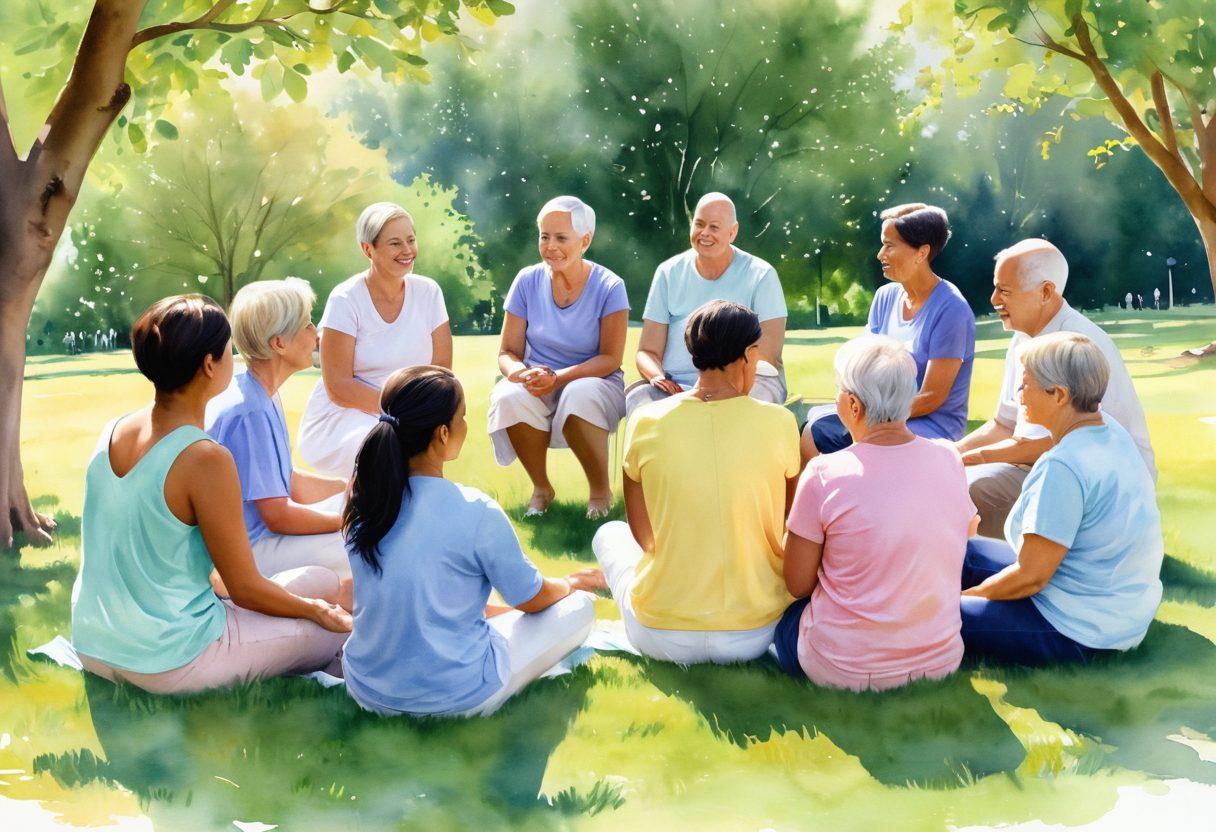
Imagine sitting in a support group, surrounded by others who have walked similar paths. As you share your story, you realize that community connections foster a sense of empowerment that fuels healing. Support groups provide invaluable insights and information, making you feel understood and less isolated. As one survivor poignantly said, 'When we share our stories, we not only heal ourselves but inspire those who still fight the battle.' Wouldn't you agree that sharing experiences and gaining perspectives can ease burdens and ignite hope?
The role of mental health in survivorship cannot be emphasized enough. The journey of dealing with cancer is rife with emotional ups and downs. Mental resilience acts as a protective shield against the adverse effects of stress and anxiety often tied to this disease. Utilizing methods like meditation, therapy, and journaling can help improve your psychological well-being during recovery. It begs the question: what practices can you introduce into your life today that bolster your mental health and positively influence your recovery?
Navigating cancer with holistic health is not a solitary endeavor; it's about weaving a tapestry of support that includes healthcare providers, community resources, and loved ones. Embracing an empowering mindset will lead to a more fulfilling recovery journey. Remember, your story is still being written, and, with the right support network and holistic healing practices, you can confidently walk towards vibrancy and wellness. As you reflect on this experience, what steps will you take today in creating a healthier and more nourishing life?
Nourishing the Body and Mind: Nutrition Strategies for Survivors
Cancer is a battle that no one wants to face, but many do. It's not just the physical strain of the disease that patients contend with; it's the emotional and mental hurdles that come with a diagnosis. Nutrition becomes a crucial part of the healing journey, serving as both armor and ally. Through strategic dietary choices, not only can survivors nourish their bodies but also empower their minds. So how can you harness the power of nutrition as part of your survivorship?
Imagine waking up each morning with a renewed sense of hope and energy, ready to tackle whatever the day throws at you. This feeling doesn’t just happen; it can be cultivated through mindful nutrition. Oncology research has shown a strong correlation between diet and recovery. Foods rich in antioxidants can aid in healing while serving as formidable warriors against tumors. After all, our bodies are temples, and they deserve the finest fuel we can offer. The empowerment that comes from having control over what we eat can set the tone for a positive healing journey.
One of the vital roles of nutrition in cancer survivorship is its impact on mental health. A balanced diet isn’t just about physical wellness; it can also affect mood, anxiety, and overall mental fortitude. Consider the simple act of choosing whole, nutritious foods over processed ones. Have you thought about how a colorful plate could translate into a colorful emotional state? Embrace the healing powers of omega-3 fatty acids, found in fatty fish, flaxseeds, and walnuts, which not only aid the body but can also work wonders for the brain. Remember, what we feed our bodies is intrinsically linked to how we feel.
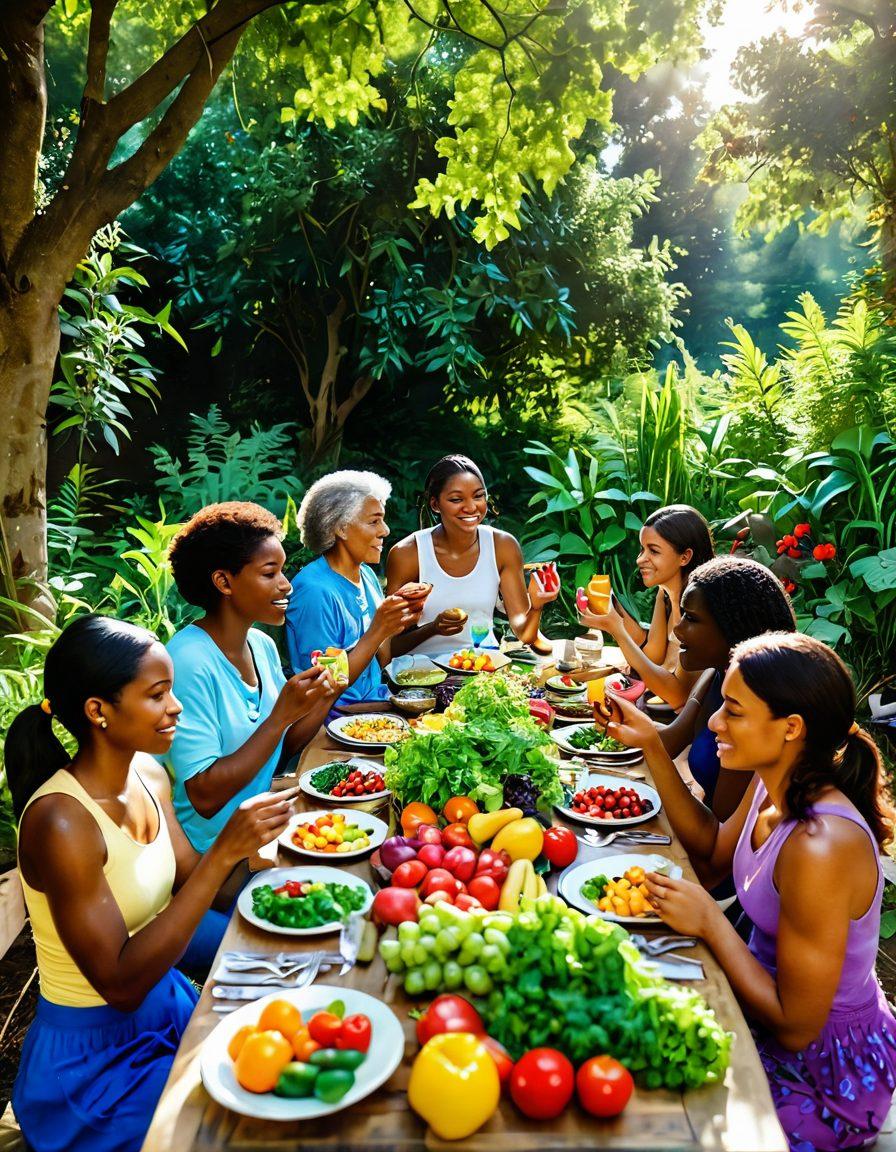
Being part of a community can also amplify the benefits of good nutrition. Support groups offer invaluable insights and resources, creating a shared space for experiences and emotional support. It’s not just about what’s on your plate; it’s about the conversations and connections around the table. Have you ever noticed how sharing a meal can deepen relationships? Engaging with others who understand your journey can encourage you to keep up with your nutrition goals. Take advantage of local workshops or online platforms that focus on nutrition for cancer survivors, creating a holistic approach to care.
In your journey towards empowerment, it’s essential to understand that every small choice counts. Whether it’s keeping a food journal, experimenting with new recipes, or involving family in meal prep—these actions lay the foundation for sustainable change. The road to recovery is paved with many choices, and each one contributes to your overall well-being. So ask yourself: How can I shift my focus from mere survival to thriving? By making informed decisions about nutrition, fitness, and emotional health, you can create a life filled with vitality and purpose after a cancer diagnosis.
Building a Supportive Community: Resources and Experiences in Cancer Survivorship
When faced with a cancer diagnosis, the sense of isolation can feel suffocating. Yet, as survivors navigate their journey through treatment and healing, one critical truth emerges: community is a lifeline. Building a supportive community is not just about gathering others who understand the challenges of living with a disease; it’s about creating a space for empowerment, shared experiences, and invaluable resources. The journey through oncology, with its myriad of specialist visits, tumor evaluations, and therapy sessions, can feel overwhelming. However, with the right support groups, survivors can transform their challenges into stories of hope and healing.
Have you ever wondered how the stories of others can inspire our healing? Picture this: you’re seated in a room full of individuals who understand what it means to face the uncertainty of a cancer diagnosis. In these moments, powerful connections are formed. Survivor stories, filled with trials and triumphs, provide insights into the importance of mental health and patient care. They often reveal that cancer is not just a disease but a stage of life offering lessons in resilience. Quotes like, 'I am not my diagnosis; I am my survival' remind us that we hold the power to define our own journeys.
In our quest for healing, we often overlook the importance of nutrition and fitness. After all, how can we empower ourselves if we neglect our bodies? Many survivors discover that incorporating holistic health practices, such as balanced nutrition and regular exercise, can significantly enhance their well-being. Whether it’s participating in a community fitness class designed for survivors or sharing a nutritious recipe in a support group setting, these practices not only reinforce physical health but foster a sense of camaraderie. Every little step we take toward prevention and wellness contributes to our individual narratives of survivorship.
Have you joined a support group yet? If not, now might be the perfect time! Engaging with others facing similar challenges can provide emotional relief and practical information. From discussing the latest therapies to discovering local healthcare resources, support groups create an environment where sharing is not just welcome—it’s necessary. Through these interactions, people learn new coping strategies and even discover avenues for advocacy in the cancer community. Consider it an opportunity to dialogue about what worked for others and what didn’t, enriching your own experience with their insights.
At its core, the essence of building a supportive community lies in the notion of collective empowerment. Each experience shared, every resource exchanged, and all the knowledge accumulated builds a tapestry of strength that every survivor can draw upon. Let's remember, healing is not merely the absence of disease; it is a holistic journey encompassing our mental health, emotional well-being, and social connections. So, as you navigate your own path, lean into your community. You don’t have to do it alone. Remember, you're part of something larger—a resilient community that champions wellness and holds the collective power to uplift each other.